The Climate Agenda
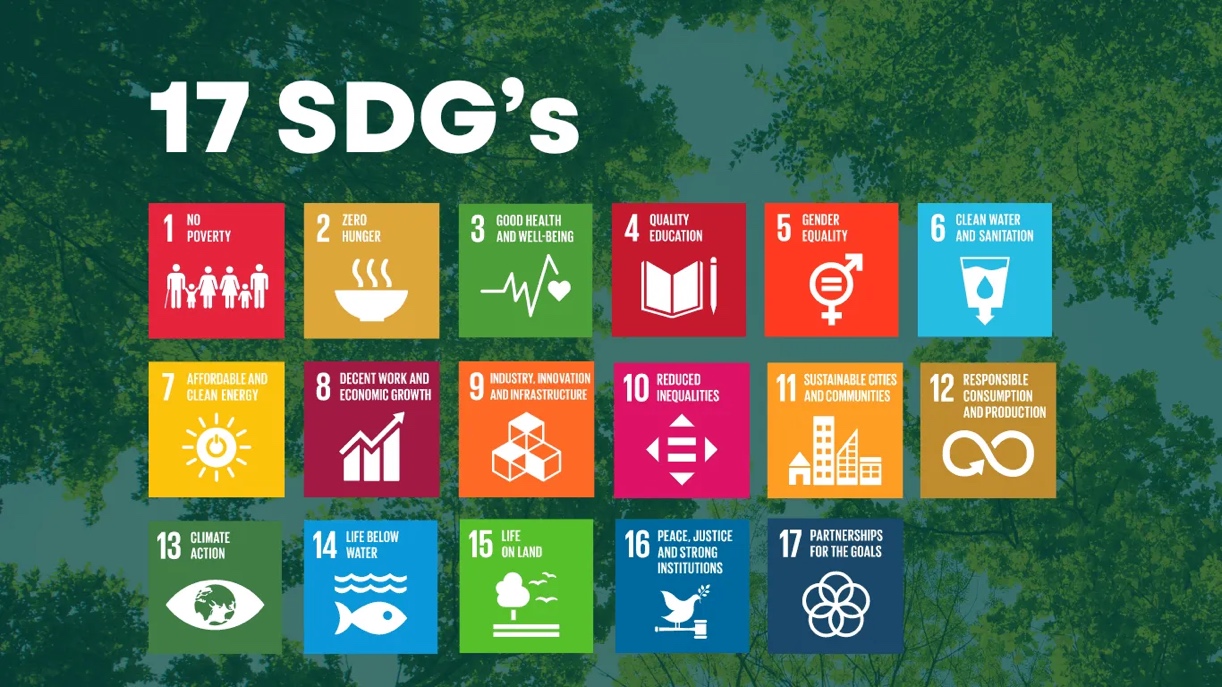
In 2015, United Nations introduced the 17 Sustainable Development Goals (SDGs) to raise awareness about the urgent global challenges of poverty, inequality, and environmental deterioration. By 2030, the planet and living standards will depend heavily on the extent to which these goals are implemented. The most distinguishing one among these is the SDG 13 - Climate Action. Unlike the other goals, SDG 13 is extremely pressing as inaction regarding the climate crisis cuts across progress on all other goals. It therefore requires immediate and globally organized efforts in terms of mitigating the impact of climate-related risks by reducing CO2 emissions and shifting to clean energy.
Paris Promise
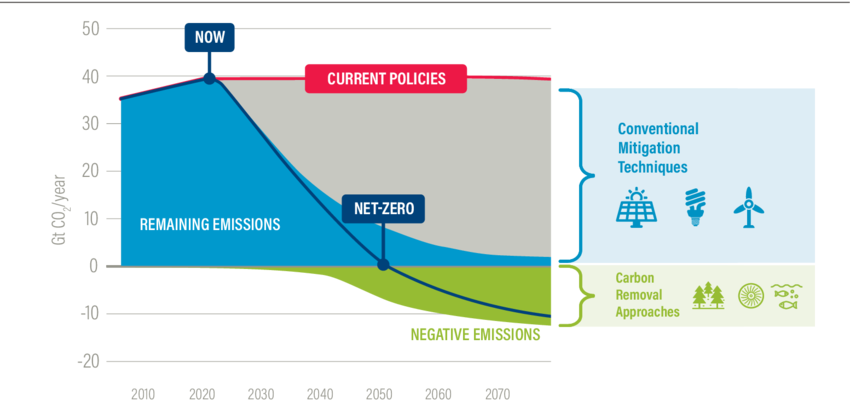
It has long been known that the main driver of the crisis is CO2 emissions as we discussed in our previous blog. To reinforce the global commitment ignited by the UN to fight the climate change, the Paris Agreement was signed and put into effect in 2016. With the participation of more than 190 countries, the decision was finalized: limit the rise in global temperature to well below 2°C while pursuing efforts to ideally stabilize warming at 1.5°C. As of 2025 however, the World Meteorological Organization estimates that 70% chance that the average warming between 2025 and 2029 will be higher than 1.5°C. Considering the extreme weather events we have already experienced at just 1.1°C of warming since 2020, it comes as no surprise that the negative impacts will worsen as temperatures rise further. But there is a way: achieving net-zero emissions by 2050 to avoid exceeding the 1.5°C threshold.
Net Zero vs. Carbon Negative: The Real Goal
First, it makes sense to clarify what we mean by net-zero. In simple terms, it is the exact point at which the amount of carbon we put into the atmosphere is balanced by the amount removed. Although the term is sometimes used interchangeably with carbon-negative the two are essentially different. Net-zero is more comprehensive and stringent since it demands drastic reductions across all emission areas before any balancing takes place. In other words, it relies on permanent removal rather than the short-term compensations often attributed to carbon-negative strategies. While it is evident that really advanced technologies are required to make this true, these technologies must be also financially viable for companies to compete in markets that have been shifting to low-carbon operations. To back this global transition, carbon markets have been playing the critical role providing the financial backbone where reducing emissions is not just good for the planet but good for business too.
The Business of Carbon
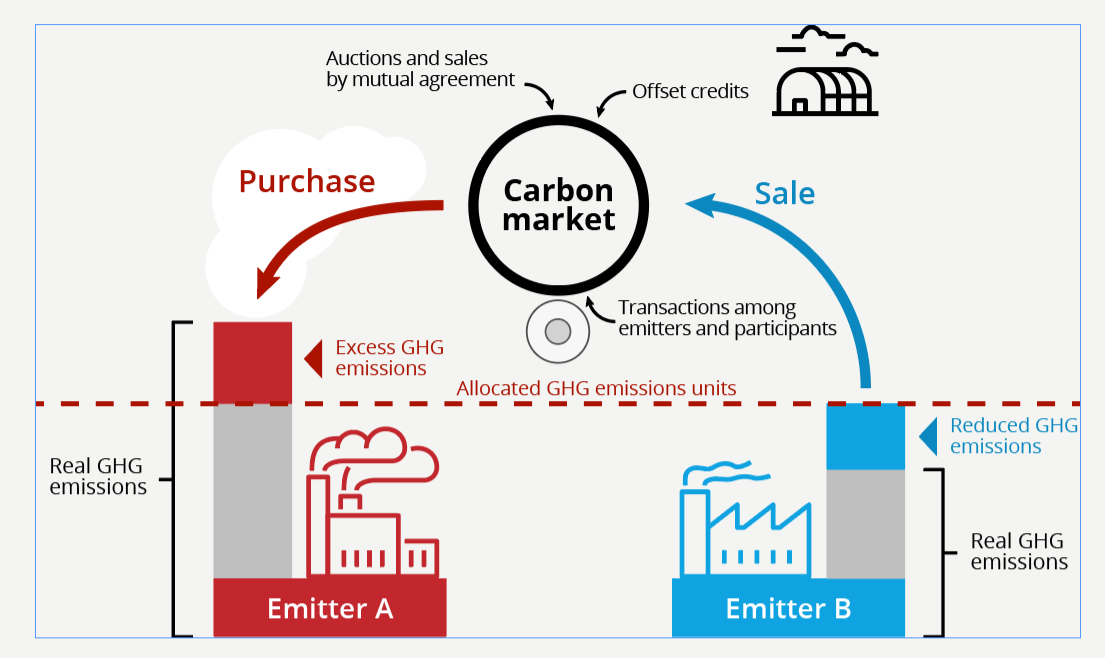
Consider a company manufacturing steel or cement and releasing large amounts of carbon into the atmosphere. When this company invests in carbon capture technologies and prevents one tonne of CO2 from being emitted, a carbon credit is created. In a sense, it is like a digital token backed by reduced emissions. If other firms struggle to cut their own emissions these credits can be bought and sold in compliance to help them fulfill their legal repsonsibilites. Consequently, this purchase creates a flow of revenue back to the company that invested in the technology. In this way, employing sustainable solutions directly translates into financial returns for businesses.
Next Piece of the Puzzle
As the world pushes for greener and more sustainable ways to fight climate change with tightening laws and evolving markets, carbon capture emerges as a game-changer in the climate crisis. There has never been a greater demand and a greater profit opportunity for cutting-edge technologies to bring carbon capture to a large-scale reality. Join us in our next blog where we dive deeper into traditional and next-generation carbon technologies.


Leave A Comment