
BACK

MAY 18, 2024

Climate Change Takes Away, Carbon Capture Gives Back

Disaster at Our Door

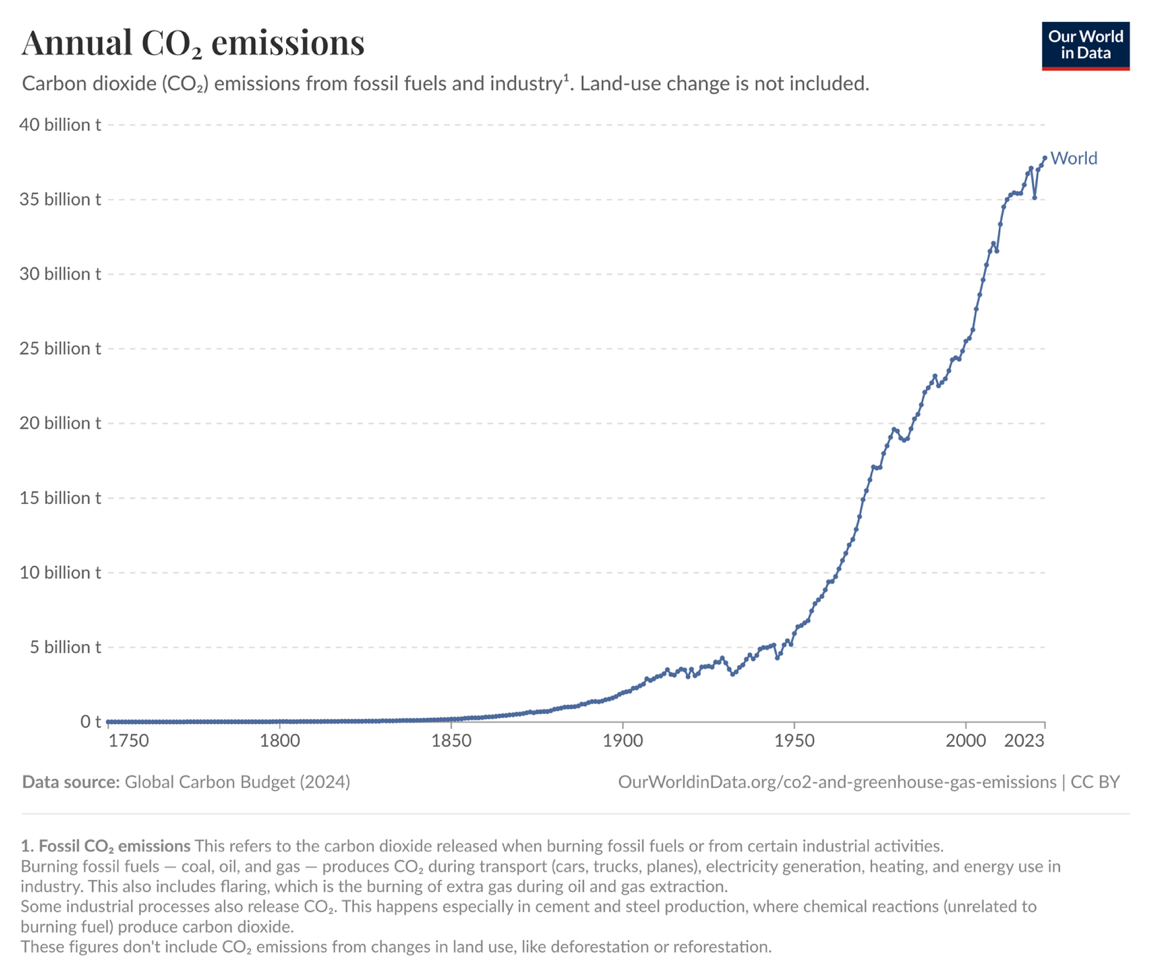
It might feel like doom is closer than ever, with nonstop news about wildfires, floods, unendurable heatwaves, and shifting seasons. That infamous picture of drought in schoolbooks that once made us anxious is no longer a glimpse of a distant future, but a much nearer one. As the world we know changes rapidly, and our lands, water supplies, and social systems are threatened by this crisis, we must understand the problem at its core and take immediate action. But what actually causes it and how are we going to fix it?

The Cost of Ignoring the Crisis

The result of shifting weather patterns is staggering: From 2000 to 2019, damages from extreme weather events amounted to roughly $143 billion per year corresponding to ~$16.3 million every hour. Over the past two decades, the total cost of climate-driven disasters has exceeded $2.8 trillion where the storms alone corresponding to half of these damages. By 2050 the researchers expect the annual cost to reach 38 trillion, just for one year, not a decade. These make one thing clear: if we don’t do enough to prevent it, climate change-driven hurricanes, floods, and droughts will inevitably shrink global wealth, lowering living standards and deepening poverty.

Wooden sign Climate Plan Focus

The Good News

Tackling climate change costs far less than ignoring it. Economic damages are six times higher than the costs of mitigation efforts needed to limit global warming below 2°C. That’s why Carbon Capture, Utilization, and Storage (CCUS) is so important. The term essentially refers to capturing CO2 emissions from factories or power plants before they enter the atmosphere, then either then storing it underground or repurposing it for industry. This isn’t theory: millions of tonnes of CO2 are already being captured and stored each year. One of the most exciting breakthroughs in decarbonization strategies is the introduction of Metal–Organic Frameworks (MOFs) into the play. These advanced materials that capture carbon at the source with remarkable efficiency and minimal energy loss. We invite you to stay tuned as we dive deeper into the role of MOFs in achieving carbon capture and sustainability goals.

United Nations and IPCC reports emphasize that it is crucial to limit global warming to 1.5°C. To achieve this, global carbon emissions must be halved by 2030, and net-zero emissions must be reached by 2050. Without urgent changes, global temperatures could rise by more than 2.7°C by 2100.

Leave A Comment